In the fourth quarter of 2023, international air cargo experienced a surge in demand, resulting in skyrocketing freight rates, with prices on routes between Europe and America surpassing levels seen during the pandemic.
Airlines, encouraged by the profitable high season in the last quarter of last year, have high expectations for this year based on last year's performance, and as a result, many have increased their contract prices for 2024.
From the perspective of cargo source structure, currently, over two-thirds of the international routes operated by domestic cargo airlines in China source their cargo from cross-border e-commerce parcels. Cross-border e-commerce has become the mainstream cargo type for domestic airlines, with major e-commerce platforms becoming the top clients for all domestic cargo airlines.
Presently, China exports over 10,000 tons of cross-border e-commerce parcels daily via air transport, including parcels from SHEIN, TEMU, TIKTOK, AliExpress, eBay, Amazon, Walmart, independent sites, and export consolidation services. Approximately 80% of these parcels are destined for Europe and America.
To transport at least 10,000 tons of e-commerce parcels by air daily, a substantial number of full freighters are required. For example, on intercontinental routes between Europe and America, long-haul widebody freighters like the B747 or B777 are needed.
China currently has about 60 such long-haul widebody freighters, including those operated by airlines such as China Eastern, Air China, China Southern, SF Airlines, Zhongyuan Longhao, Zhongzhou Airlines, Postal Airlines, Jinyan Airlines, and Hongyuan.
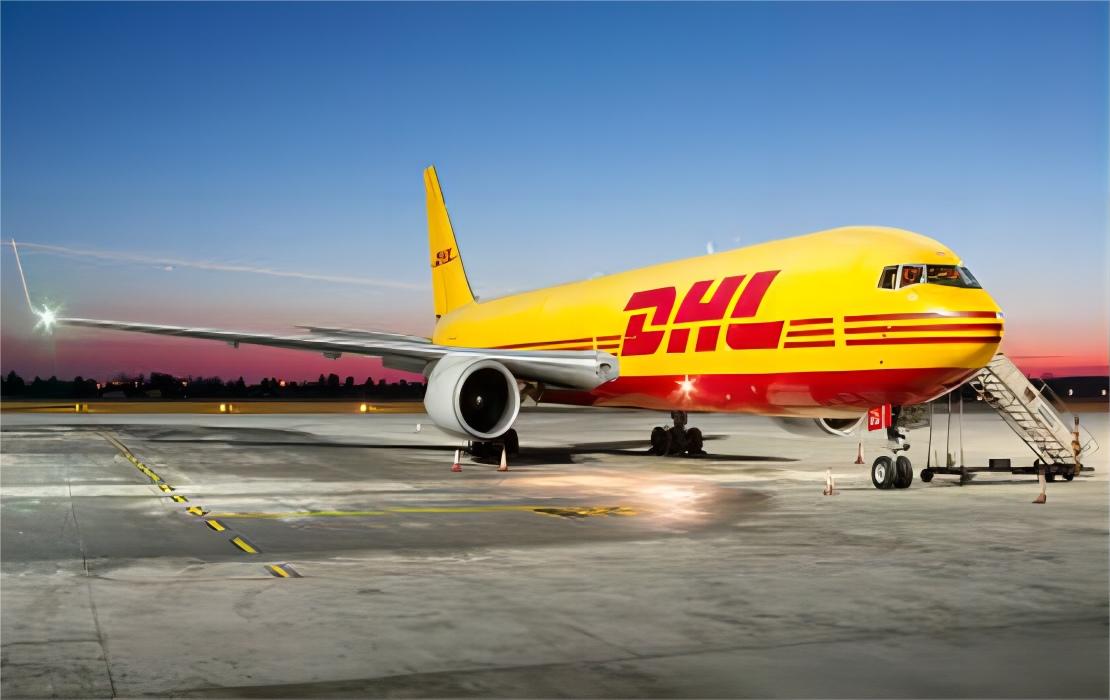
Globally, as of December 2023, there are approximately 752 long-haul widebody freighters, including those operated by DHL, UPS, FedEx, Atlas Air, and Cargolux.
For example, an intercontinental cargo route between Europe and America operates six flights a week, requiring two B747 or B777 widebody freighters per route. Assuming each freighter carries 100 tons of cargo, transporting at least 10,000 tons of export cross-border e-commerce parcels daily would require over 200 long-haul widebody freighters.
With around 752 global long-haul widebody freighters, the air transport needs of Chinese cross-border e-commerce export parcels alone require over 200 long-haul widebody freighters, accounting for about one-third of the global capacity needed in the Chinese market.
Additionally, beyond using full freighters, the capacity of passenger aircraft bellies could be considered. However, the recovery of passenger aircraft belly capacity in China has been slower than expected. The number of foreign travelers to China has not fully returned to normal, and visa restrictions in many foreign countries have not been completely lifted, with the restoration of international passenger routes at about 30% of pre-pandemic levels. Therefore, significantly increasing belly capacity in international flights is unlikely in the short term.
Another option might be belly-to-belly transfers, initially transporting goods to neighboring countries like Singapore, Malaysia, or South Korea using narrowbody freighters or passenger aircraft bellies, then connecting to flights to Europe and America. While logistically feasible, this belly-to-belly transfer approach may not meet the time efficiency requirements of segmented purchasing by e-commerce platforms.
E-commerce platforms aim for annual growth in performance, and cargo volumes are expected to continue increasing. The rate at which cargo aircraft capacity is being added is not keeping up with the growth in cargo volumes from e-commerce platforms. Ordering and delivering a new freighter normally takes about two years, so a significant short-term increase in global freighter capacity is unlikely.
In 2024, the challenge of securing cargo space in international air freight is likely to re-emerge!